Vancouver Student Driving: Campus Parking and Bridge Traffic
fellaride.com
Join verified Vancouver campus carpool groups on FellaRide
Explore campus Communities →TL;DR
- Audit your weekly UBC, SFU, BCIT, Langara, or Capilano timetable to spot Lower Mainland bridge bottlenecks and HOV lane opportunities.
- Pair your TransLink U-Pass BC on SkyTrain and SeaBus with low-detour carpool handoffs at hubs like Lonsdale Quay, Bridgeport, and Production Way.
- Split scarce campus parkade permits and fuel under BC non-commercial rules using FellaRide's $5 minimum and $0.20/km cost-sharing guideline.
- Join verified campus Trusted Groups and use Multi-Day Scheduling to keep commuting smoothly during regional transit strikes.
- Set early morning weather check-ins for Burnaby Mountain snow or coastal downpours and stick to a five-minute pickup window.
Share Your Metro Vancouver Campus Commute on FellaRide
Match with verified Hosts and Guests in campus Trusted Groups to split fuel and parking costs fairly.
What you need
Getting across the Lower Mainland for morning lectures at UBC, mountain labs at SFU, or workshops at BCIT, Langara, and Capilano University takes practical route planning. Before you set up a shared campus routine across Metro Vancouver bridges, gather a few basic essentials:
- Your weekly course and shift schedule: Note your exact lecture start times, lab dismissals, and recurring part-time job shifts across each weekday.
- A verified FellaRide account: Users must be 18 or older to register on iOS or Android with a government ID for Persona verification.
- An active smartphone with mobile data: You need active GPS location services to coordinate pickup landmarks, view Built-In Maps Navigation, and share Real-Time Ride Tracking.
- A loaded Compass Card with U-Pass BC: Keep your transit card ready for hybrid SkyTrain or SeaBus transfers and unexpected schedule shifts.
- Clear cost-sharing expectations: Review non-commercial carpooling guidelines so your group splits fuel and campus parking permits fairly from day one.
1. Audit Your Lecture Timetable and Lower Mainland Bridge Corridors
An 8:30 a.m. seminar on the Point Grey peninsula or atop Burnaby Mountain looks very different on a map when you commute from Surrey, Richmond, or the North Shore.
Many post-secondary students travel during shoulder hours when suburban feeder buses run less frequently and a single bridge backup can derail a connection. Start by writing down your core anchor times, including fixed lecture blocks, lab finishes, and work hours.
Next, look at how your home corridor connects to your specific campus across the Lower Mainland's primary bridge crossings and highway arteries:
- Burrard Inlet Crossings (Capilano University, UBC, SFU): The Ironworkers Memorial Second Narrows Crossing and Lions Gate Bridge funnel traffic between North and West Vancouver, Highway 1, and Vancouver campuses.
- Fraser River East Corridors (SFU Burnaby, SFU Surrey, BCIT): The Port Mann Bridge along Highway 1 and the Pattullo Bridge link Surrey, Langley, and Maple Ridge commuters into Burnaby and New Westminster.
- Delta and South Fraser Crossings (BCIT, Langara, UBC): The Alex Fraser Bridge on Highway 91 and the George Massey Tunnel on Highway 99 carry Delta, Surrey, and South Surrey drivers north toward Richmond and Vancouver.
- North Arm River Bridges (UBC, Langara): The Oak Street Bridge, Arthur Laing Bridge, and Knight Street Bridge handle the final surge from Richmond and Highway 99 onto Vancouver arterial routes like SW Marine Drive, Oak Street, and 41st Avenue.
Write down the total door-to-door time for each leg, including the walk from your campus parkade or bus loop to your lecture hall. Highlight the days where an evening lab or cross-municipality trip leaves you waiting on multi-zone bus transfers.
Tip: Agree on your campus parking permit and fuel split in In-App Chat before your first Monday morning pickup so every trip stays predictable.
2. Compare SkyTrain, SeaBus Connections, and Campus Carpooling
Even with an eligible student transit pass covered under the regional U-Pass BC program, relying solely on fixed transit routes often hides extra costs in the gaps between municipal zones. When a full 99 B-Line or R4 RapidBus passes you by on a rainy morning before a midterm exam, booking a last-minute commercial ride-hail vehicle or taxi can wipe out an entire day of part-time shift earnings.
Unpredictable feeder bus connections drain student budgets and energy through several recurring leaks:
- Emergency commercial ride fares: On-demand solo rides during heavy coastal downpours or rush-hour bridge delays carry surge pricing that adds up quickly.
- Lost part-time shift income: Arriving late to a retail, hospitality, or campus job because of a cancelled feeder bus leads to docked pay or lost hours.
- Errand and grocery strain: Hauling groceries across multiple bus transfers often pushes students to buy pricier convenience food near campus.
- Daily time poverty: Spending two to three hours commuting across the Fraser River or Burrard Inlet leaves less time for rest, study groups, and paid work.
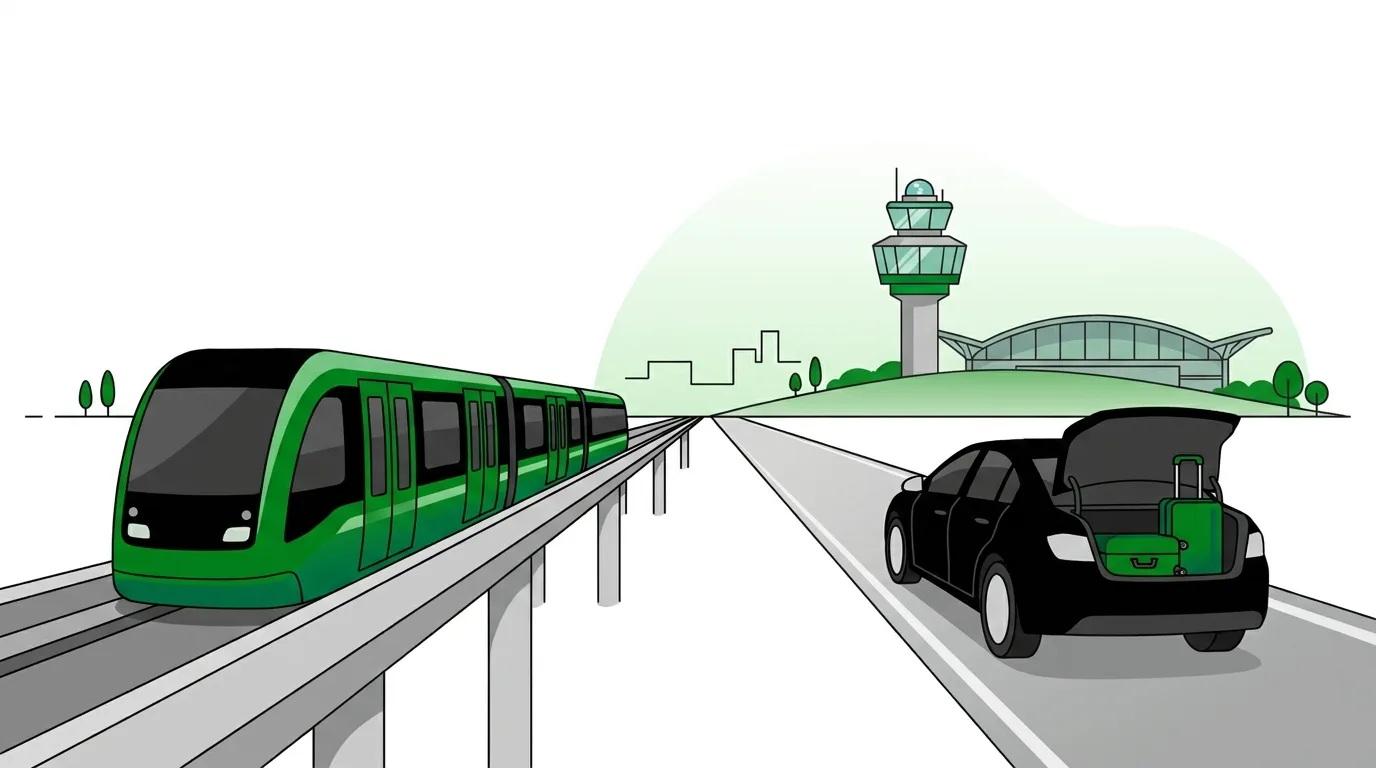
Peer-to-peer carpooling works alongside the Expo Line, Millennium Line, Canada Line, and SeaBus rather than replacing them. By matching with a Host or Guest on FellaRide for the bridge crossing or first-mile gap, you turn high solo driving costs into a predictable shared contribution.
Comparing how each mode works across student corridors in our university commuter guide to transit versus campus carpools helps you decide when to ride the rails and when to share a car.
3. Overcome Vancouver Campus Parking Shortages with Peer Cost-Sharing
Surface lots and multi-level parkades at UBC, SFU Burnaby, BCIT, and Capilano University fill up early during peak Tuesday through Thursday lecture blocks. When every commuter drives a single-occupant vehicle, permit waitlists grow and hourly rates quickly strain a semester budget. Forming a three-person or four-person carpool immediately reduces the number of stalls your cohort needs while letting everyone split the cost of a single permit.
FellaRide operates as a technology platform connecting verified Hosts and Guests for private, non-commercial cost-sharing rather than acting as a commercial carrier. Following the framework explained in our guide on how non-commercial carpooling works, ordinary commuters can share a ride without a commercial licence when the arrangement stays strictly within cost-recovery boundaries:
- Shared origin and destination: The Host has an independent personal reason to drive to campus, and Guests share part or all of that planned route.
- Expense recovery only: Contributions only reimburse a fair share of actual fuel, parking fees, and vehicle wear and tear, with profit strictly prohibited.
- Incidental daily frequency: Trips follow a regular commuting rhythm, typically one round trip per day between home and university or work.
Confirm how your group will divide fuel and campus parking permits inside In-App Chat before your first Monday pickup. Before carrying regular Guests, a Host should also verify with their auto insurance broker that their policy is rated for commuting to school or work and carries adequate third-party liability coverage.
4. Pick Low-Detour Pickup Hubs Near SkyTrain Stations and SeaBus Terminals
You do not have to choose exclusively between rapid transit and carpooling. Many Metro Vancouver students combine their transit pass with a targeted carpool leg to solve the first-mile gap or skip overcrowded bus loops. Meeting at a clear, well-lit landmark right off an arterial road prevents the Host from losing fifteen minutes in residential cul-de-sacs.
Consider these practical hybrid handoff zones across the Lower Mainland's rapid transit network:
- Lonsdale Quay and Phibbs Exchange (North Shore): SeaBus riders arriving from Waterfront Station or North Vancouver students can meet a Host near Esplanade or off the Ironworkers Memorial approach for a direct ride to Capilano University or across to Burnaby.
- Production Way-University and Lougheed Town Centre (Millennium and Evergreen Lines): Students riding SkyTrain from Coquitlam, Port Moody, or East Vancouver can connect with a Host at the base of Burnaby Mountain for the climb up Gaglardi Way to SFU.
- Bridgeport Station and Lansdowne (Canada Line): South Fraser and Delta commuters crossing the Oak Street or Arthur Laing bridges can pick up Canada Line riders before continuing west along SW Marine Drive to UBC.
- King George, Scott Road, and Brentwood Town Centre (Expo and Millennium Lines): Surrey and Burnaby commuters can meet near major highway ramps to merge directly onto Highway 1 toward BCIT or Vancouver.
Watch out: Always confirm your exact pickup landmark and waiting window inside the FellaRide app the evening before a morning trip, and keep your Compass Card in your bag as a reliable backup if an afternoon lab runs late.
Using FellaRide carpool app features like Built-In Maps Navigation lets both the Host and Guest see the designated pickup point and route beforehand. Picking a consistent drop-off zone on campus saves everyone from weaving through pedestrian-only plazas.
5. Join Verified Campus Trusted Groups and Stay Moving During Transit Strikes
Posting for rides on anonymous classified websites or unverified social media threads leaves you guessing who is behind the screen. FellaRide solves this by organizing commuters into FellaRide Communities and Trusted Groups built around a shared campus, employer, or neighborhood corridor.
When regional transit disruptions or bus and SeaBus strikes halt daily service across Metro Vancouver or neighbouring BC systems, being pre-verified inside a campus group keeps you moving. FellaRide community ride groups and cost-recovery carpooling let daily commuters coordinate seats quickly without surge pricing, keeping students connected to lectures and work shifts.
Follow these steps to verify your profile and lock in recurring campus rides:
- Register your FellaRide profile: Download the app on iOS or Android, enter your name, email address, and phone number, and verify via one-time passcode (OTP).
- Complete Persona identity verification: Upload a government ID and selfie through Persona for identity and liveness checks to earn your verification badge; FellaRide stores only your verification status and expiry dates.
- Join up to 5 communities: Choose from Organizational (ORG) groups verified by a campus email domain, Moderator-Controlled (MOD) groups, Global (Open) communities, or Interest Based Communities.
- Use Multi-Day Scheduling: Use Search a Ride, Post a Ride, or Post a Ride Request to lock in one-time or recurring multi-day trips that match your weekly lecture blocks.
6. Coordinate Coastal Rain, Burnaby Mountain Snow, and Bridge Delay Buffers
Metro Vancouver weather shifts fast between sea-level rain along the Fraser River and sudden wet snow squalls on higher elevations like Burnaby Mountain or the Upper Levels Highway in North Vancouver. Reviewing our guide on preparing your carpool for winter weather and snowstorms and equipping the car before November storms arrive keeps your campus group moving safely.
A consistent communication routine and basic winter hardware help your carpool handle coastal weather and bridge bottlenecks:
- Early weather check-in rule: Agree inside In-App Chat on how early you will message the group on snowy mornings if SFU Burnaby, Capilano University, or UBC cancels in-person classes.
- Trunk recovery essentials: Hosts should carry a collapsible metal snow shovel, foldable traction mats, heavy-duty booster cables, LED road flares, and an extra jug of −40°C washer fluid for highway spray.
- Five-minute pickup discipline: Arrive at your designated corner five minutes early, keep wet umbrellas and bulky backpacks tidy at your feet, and notify your Host immediately if you catch a cold.
Following practical shared etiquette turns a 30-minute bridge crossing into a supportive campus micro-community. Over a semester, sharing User Ratings and Reviews and riding with peers from different faculties builds both accountability and lasting friendships.
Learn more about FellaRide
FAQ
Is student cost-sharing carpooling legal in British Columbia without a commercial licence?
Yes, non-commercial carpooling is permitted when a Host shares an already planned trip to campus and Guests only reimburse a fair share of actual fuel and parking expenses without generating a profit. FellaRide recommends a $5 minimum contribution per ride and a $0.20/km guideline to keep student cost-sharing strictly within non-commercial cost recovery.
How do FellaRide campus Trusted Groups keep commuters moving during a transit strike?
Trusted Groups connect verified students and staff who already travel along the same bridge and highway corridors to the same post-secondary campus. When a bus, SeaBus, or rail strike disrupts transit, members can use Search a Ride, Post a Ride, or Post a Ride Request to share available vehicle seats on a cost-recovery basis without surge pricing.
Can I combine my TransLink U-Pass BC with a recurring FellaRide carpool?
Many commuters use a hybrid routine by taking the SkyTrain or SeaBus across congested zones and meeting a FellaRide Host at an arterial station hub for the last leg to campus. You can also take a morning carpool to arrive fresh for an early lecture and use your transit pass to head home after late evening study sessions.
How many campus or corridor communities can I join on FellaRide?
Every verified user aged 18 or older can join up to 5 communities on FellaRide, and total group membership is capped to preserve match quality. You can join an Organizational (ORG) community with your university email domain alongside neighbourhood or Moderator-Controlled (MOD) groups along your home bridge corridor.
Sources
- GTA University Commuter Guide: Save Time & Money on Rides
- How Non-Commercial Carpooling Works in Ontario
- Preparing Your GTA Carpool for Winter Weather & Snowstorms
Learn more about FellaRide