Seneca College Campus Commuter Guide: Newnham, York & King
TL;DR
- Break your weekly Seneca timetable into individual trip legs across the Newnham, Seneca@York, King, and Peterborough corridors.
- Combine inter-campus shuttles and regional GO or TTC routes with peer-to-peer carpooling to bridge suburban last-mile gaps.
- Follow FellaRide's non-commercial cost-sharing guideline of a $5 minimum and $0.20/km to split fuel expenses fairly without profit.
- Complete Persona identity verification and join up to 5 communities on FellaRide to coordinate recurring weekday or weekend rides.
Join Your Campus Carpool Community
Connect with verified Hosts and Guests travelling your Seneca corridor and split actual fuel costs with zero platform commission.
What you need
Traveling between Greater Toronto Area suburbs and your Seneca Polytechnic lecture hall requires a reliable weekly plan. Gather a few items before the semester starts so you can evaluate transit routes, shuttle schedules, and peer-to-peer ride matches effectively.
- Your confirmed class schedule: Note the exact building, start time, and finish time for every lecture, lab, and flight block.
- Your Seneca OneCard: Required for validating your enrollment status before boarding inter-campus shuttle buses.
- A loaded PRESTO card: Useful for paying local TTC or YRT fares and claiming post-secondary discounts on regional GO Transit trips.
- A verified FellaRide profile: Open to commuters aged 18 or older on iOS and Android who want to join a campus Trusted Group.
- A valid government photo ID: Needed when you complete identity verification through Persona inside the app.
- A brief planning window: Set aside a few minutes to check highway connections and transit transfer points before classes start.
1. Audit Your Seneca Timetable and Campus Commute Corridors
An early morning lab at Newnham Campus demands a completely different travel strategy depending on whether you depart from Markham, Mississauga, or Oshawa. Instead of treating Monday through Friday as one identical routine, divide your calendar into distinct morning and afternoon trips. Many college students travel during midday or late-evening windows when suburban bus connections operate on reduced frequencies.
For students attending institutions like Seneca, Humber, and York University, daily travel across Ontario can quickly become a financial drain and a source of exhaustion.
Examine how your neighborhood links to each of the main Seneca corridors across the region:
- Newnham Campus (North York): Located along Finch Avenue East right beside Highway 404, connecting north toward Markham and south to Highway 401 and the Don Valley Parkway.
- Seneca@York Campus (North York): Situated on the York University Keele campus grounds near Highway 400 and Highway 407, directly accessible via the TTC Line 1 subway extension and regional bus terminals.
- King Campus (King City): Positioned along Dufferin Street and King Road east of Highway 400, where surrounding rural stretches make direct vehicle access much faster than multi-transfer bus trips.
- Peterborough Campus (Peterborough Airport): Located northeast of the GTA along the Highway 401 and eastern highway corridor, serving aviation students who split their week between flight labs and suburban family homes.
Record the total travel duration for every individual trip, counting the walk from the bus bay or parking lot to your classroom door. Flag any days where an evening seminar or split schedule leaves you waiting at icy transfer hubs between different transit agencies.
Tip: Confirm your exact pickup landmark and waiting window in In-App Chat the evening before a morning lecture, especially when winter snowstorms are in the forecast.
2. Compare Campus Shuttles, Public Transit, and Student Carpooling
A single monthly transit pass might seem affordable on paper, but crossing municipal borders between Brampton, Vaughan, Markham, and Toronto often introduces extra fare legs. When an unexpected transit delay threatens your arrival at a midterm exam or part-time retail shift, booking a last-minute commercial taxi can erase an entire day's wages.
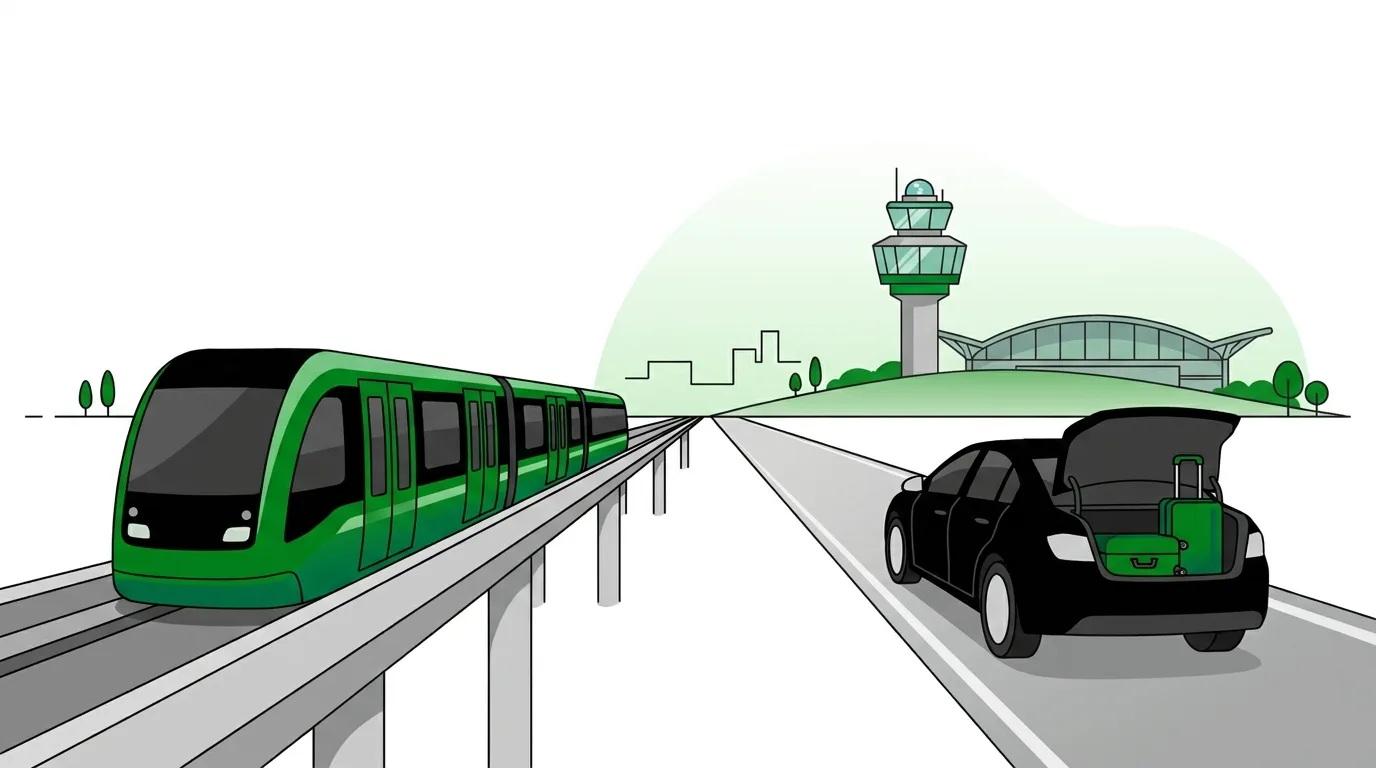
Peer-to-peer carpooling works alongside public transit rather than replacing subways, regional trains, or campus shuttles. Many suburban commuters face a first-mile and last-mile gap where their home sits too far from a rail station to walk and local feeder buses require slow transfers.
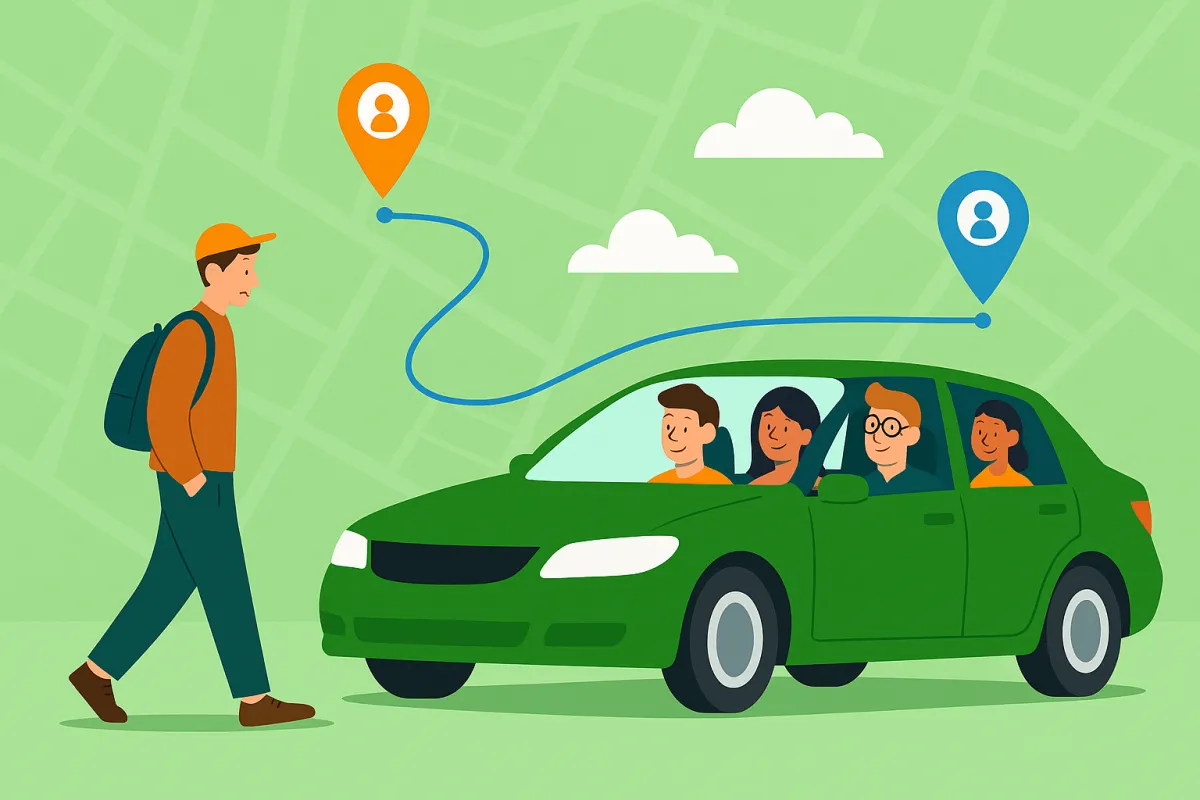
FellaRide functions as a technology platform connecting verified Hosts and Guests for private, non-commercial cost-sharing rather than operating as a commercial transport carrier. Hosts drive their own personal vehicles and offer empty seats to fellow community members heading the same direction, with profit strictly prohibited.
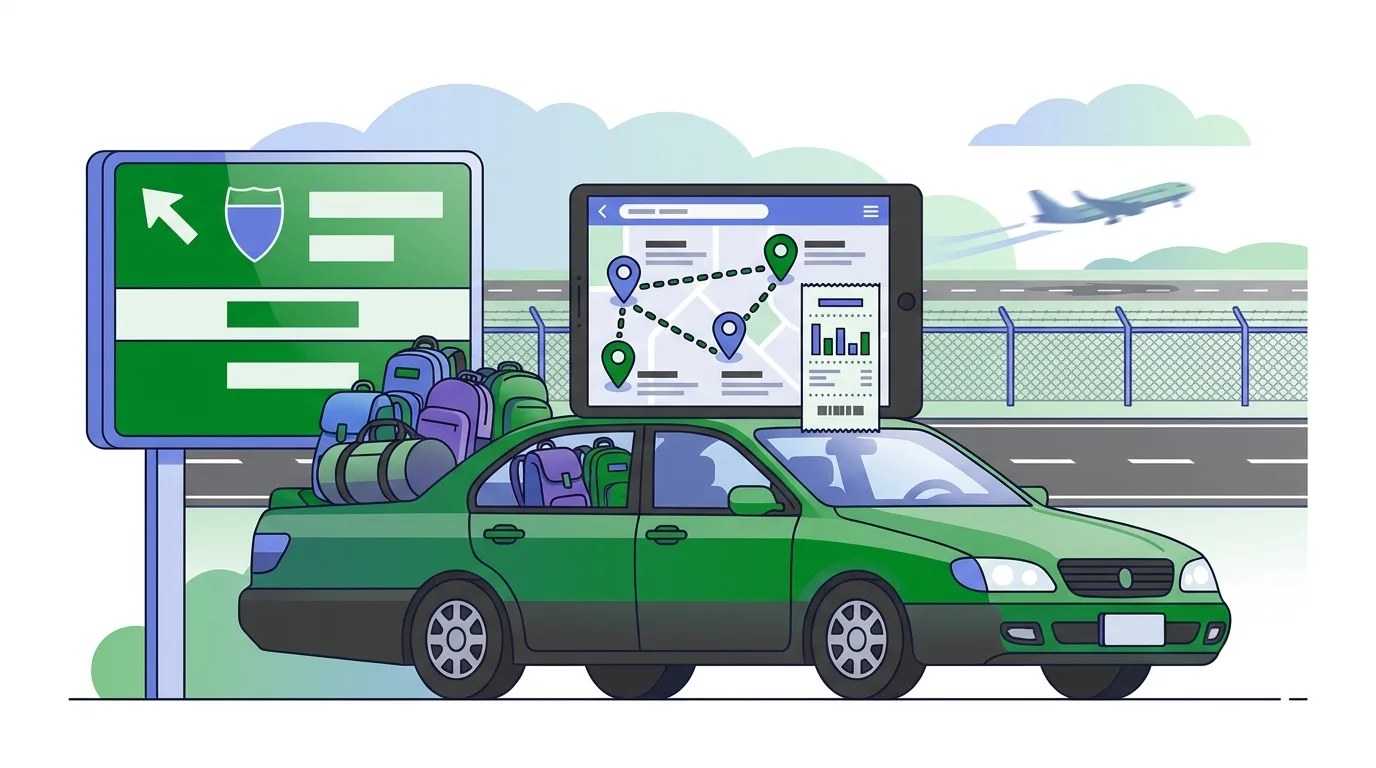
Under platform guidelines, FellaRide suggests a $5 minimum contribution per trip (covering intermediate stops and multi-leg routes) and a rate of $0.20/km to help Hosts offset actual travel costs.
Moreover, Ontario's High Occupancy Vehicle (HOV) lanes on series 400 highways permit vehicles with at least two occupants to move past single-Host traffic. Pairing up along Highway 404 or Highway 403 helps commuters cut drive times between residential suburbs and campus parking lots.
3. Navigate Daily Commutes to Newnham, Seneca@York, and King Campuses
Waiting at an open roadside transit stop during a January snowstorm wears you down before your morning seminar even starts. Moving back and forth between icy sidewalks and crowded, overheated buses leaves you sitting in class with wet boots and heavy winter coats.
- Newnham Campus via Highway 404: Students commuting from Markham, Richmond Hill, or Scarborough frequently face surface bus slowdowns along Finch Avenue East; sharing a vehicle lets a Host and Guest merge onto the Highway 404 HOV lanes and reach campus directly.
- Seneca@York via Highway 400 and 407: While the Keele campus sits beside the TTC Line 1 subway and regional bus terminals, commuters travelling laterally from Peel Region or eastern York Region can skip multi-agency transfers by carpooling straight across the highway corridor.
- King Campus last-mile connections: Because King Campus sits in a semi-rural area of King City, students arriving by bus or train often face a long last-mile gap or a chilly walk in the dark after evening labs.
4. Plan Seneca College Peterborough Campus Rides and Weekend Trips Home
Aviation students studying at the Peterborough Airport campus experience a very different rhythm from daily Toronto commuters. Living away from home near the airfield during the week can feel isolating, especially when your days revolve around flight blocks, ground school, and simulator sessions.
When Friday afternoon arrives, hauling flight bags, laundry, and textbooks back to the GTA on regional transit often requires catching a local connection to a highway bus and transferring to the Lakeshore East GO train in Oshawa.
Coordinating a shared ride directly between Peterborough Airport and the GTA changes how aviation students handle weekend visits home:
- Shared institutional context: Travelling with fellow Seneca peers means everyone in the car understands flight weather holds, exam stress, and student budgets.
- Consistent route matching: Instead of searching for a random ride every Friday, you connect with Hosts and Guests who drive the exact same highway corridor back to Scarborough, North York, or Markham.
- Supportive micro-communities: Spending an hour in a warm car with classmates opens up natural conversations about course registration, flight instructor tips, rental housing, and part-time campus jobs.
Watch out: Never send upfront e-transfers to unverified posters in anonymous online classifieds or public social media threads before verifying their identity and confirming trip details inside the app.
5. Calculate Non-Commercial Fuel Splitting and Campus Parking Costs
For years, splitting gas money meant pinning a paper flyer to a student union corkboard and awkwardly debating cash amounts at the end of a drive.
On FellaRide, all rides are private peer-to-peer arrangements with zero platform commission and no subscription tiers. Keep these cost-sharing rules in mind before your first pickup:
- No commercial profit: FellaRide is not a taxi or commercial rideshare service, so Hosts are strictly prohibited from charging for profit and only split actual travel expenses.
- Base contribution guideline: The platform recommends a $5 minimum contribution per trip (including intermediate stops and multi-leg routes) and a rate of $0.20/km to help a Host recover fuel and vehicle upkeep.
- Shared parking and tolls: Commuters can agree upfront through In-App Chat to split daily or semester campus parking permits and highway tolls alongside fuel costs.
6. Set Up Verified Profiles, Trusted Groups, and Recurring Rides on FellaRide
Matching with commuters inside a verified campus or neighborhood network removes the uncertainty of open classified boards. Because everyone is travelling to the same campus lot or suburban corridor, pickup landmarks require zero extra detours and lecture schedules naturally align.
Follow these steps in order to verify your profile and schedule your semester rides:
- Save your Favorite Places: Open Settings and choose Manage Saved Addresses to privately store frequent spots like your home, campus building, or local GO station for faster trip posting and searching.
- Post a Ride or Search a Ride: Hosts can publish a one-time trip or a recurring multi-day schedule (manually setting vehicle preferences and amenities before each post, or copying a past ride without automatically notifying previous Guests), while Guests can filter available rides by route, date, time, and community.
- Post a Ride Request when schedules shift: If you cannot find a match for an irregular exam or late lab, publish a ride request visible only to your chosen communities; requests remain active until confirmed, cancelled, or automatically archived once the ride date passes.
Learn more about FellaRide
FAQ
Can Hosts make a profit driving fellow students to Seneca campuses on FellaRide?
No. FellaRide is a technology marketplace for private, non-commercial cost-sharing, not a commercial taxi or rideshare service. Hosts drive their own personal vehicles and are strictly prohibited from earning a profit, only splitting actual travel costs with Guests.
How does FellaRide verify commuter identities before a campus trip?
What happens if no Host has posted a ride matching my late lab or weekend trip from Peterborough?
When no listed trip fits your timetable, you can publish a Ride Request directly to your selected communities so verified Hosts on your corridor can respond. Only members inside those communities can view your request, and you can edit or cancel it anytime before confirmation. Unmatched requests automatically archive once the trip date passes.
Sources
- Fuel-efficient driving techniques
Learn more about FellaRide