GTA Student Carpooling: A Better Campus Commute Guide
Why GTA Winter Weather Makes Daily Campus Transit So Exhausting
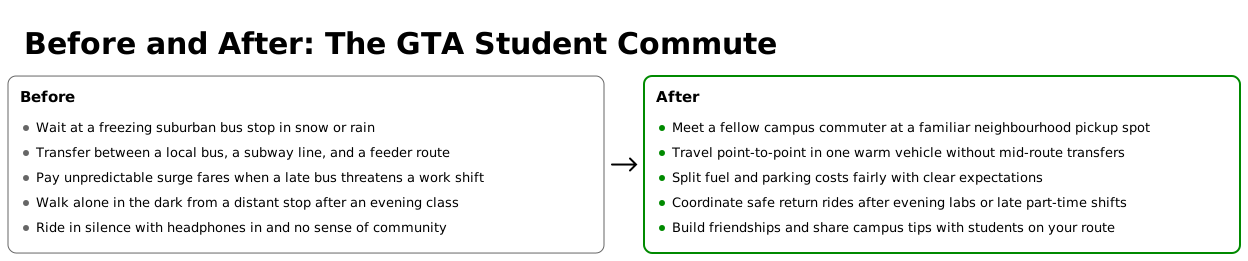
Standing at an exposed bus stop along Yonge Street or Hurontario Street in January drains your energy before your first morning lecture even begins. For international students and daily commuters travelling to campuses like Seneca, Humber, and York University, getting around the Greater Toronto Area is often hard, expensive, and exhausting.
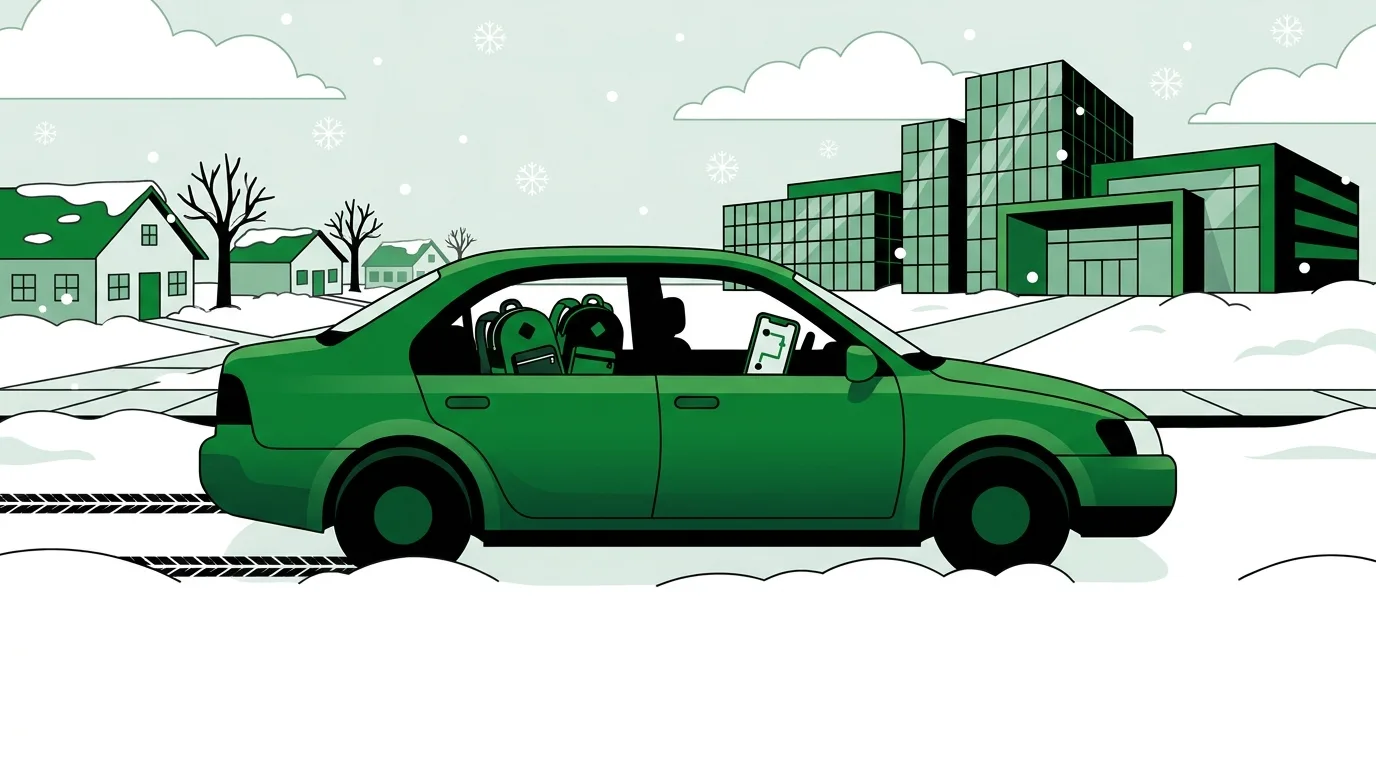
Canadian winters bring freezing rain, heavy lake-effect snow, and biting winds that turn a simple trip into an endurance test. According to Health Canada guidance on extreme cold, exposure to cold temperatures and wind chill increases the risk of windburn, frostbite, and hypothermia when waiting outdoors. When a surface route runs late, every extra minute on an icy sidewalk chips away at your focus for the day ahead.
Even when you dress in heavy thermal layers, moving repeatedly between freezing outdoor platforms and overheated, crowded buses takes a physical toll. Damp boots, fogged glasses, and wet winter coats make it hard to settle into a two-hour lecture or concentrate during a morning lab exam.
Winter conditions hit student schedules hard in several recurring ways:
- Unpredictable surface delays: Snowplows, slushy intersections, and icy hills slow down buses and streetcars across suburban corridors.
- Missed connections: A short delay on a feeder bus can mean watching your regional train or express route pull away without you.
- Physical exhaustion: Carrying a heavy backpack containing a laptop, textbooks, and winter gear through unplowed transfers wears you down before class.
- Schedule friction: Balancing lectures, lab sessions, part-time shifts, and grocery runs becomes much harder when winter transit stops aligning with your calendar.
Sharing a ride with fellow commuters changes how you experience winter travel. Instead of standing alone at a wind-swept shelter, you coordinate a pickup spot, leave together, and arrive at campus warm and ready to focus.
Tip: Coordinate a backup pickup spot inside a well-lit coffee shop or campus building entrance before snowstorms hit so nobody waits at an icy curb.
The Hidden Costs of Public Transit for Ontario Students
A monthly transit pass looks manageable on a semester budget sheet, yet the real price of getting around the GTA often hides in the gaps between routes. When you cross municipal boundaries between Mississauga, Brampton, Vaughan, Markham, and Toronto, fares and transfer rules quickly complicate your budget.
Beyond base fares, unpredictable service creates unplanned expenses that eat into savings meant for tuition and rent. When a delayed bus threatens to make you miss a midterm exam or the start of a retail shift, ordering an emergency commercial taxi or ride-hail car can wipe out a full day of part-time earnings in a single trip.
Weekly errands add another financial strain when you rely solely on buses. Hauling heavy bags of groceries from an affordable supermarket two neighbourhoods away often forces students into buying pricier convenience items near campus or paying for short cab rides home.
Unreliable transit drains a student budget through several hidden leaks:
- Last-minute commercial rides: Booking an on-demand solo ride during rush hour or bad weather carries surge pricing that quickly adds up over a semester.
- Lost shift income: Arriving late to a part-time hospitality, warehouse, or retail job because of a cancelled bus leads to docked hours or lost shifts.
- Cross-boundary fare stacking: Commuting across multiple regional transit systems can still trigger extra fare legs depending on your route and pass type.
- Time poverty: Spending hours in transit every day leaves less time for paid campus work, meal prep, and rest.
Carpooling with campus peers turns fixed driving expenses into a shared, predictable contribution. By splitting fuel, campus parking permits, and highway tolls among people already heading the same way, drivers offset their vehicle upkeep and passengers avoid sudden surge fares.
| Commute Factor | Transit Plus Emergency Ride-Hail | Community Campus Carpooling |
|---|---|---|
| Winter weather reliability | Exposed outdoor waits and transfer delays | Direct point-to-point ride in a warm car |
| Late-night shift coverage | Reduced overnight frequency and long walks | Coordinated departure with peers on similar hours |
| Cost predictability | Base pass plus sudden surge-priced rides | Shared fuel and parking split agreed upfront |
| Social connection | Isolated travel in crowded cars | Regular conversation with classmates and neighbours |
Closing the Last-Mile Gap Between Subways, Campuses, and Late Shifts
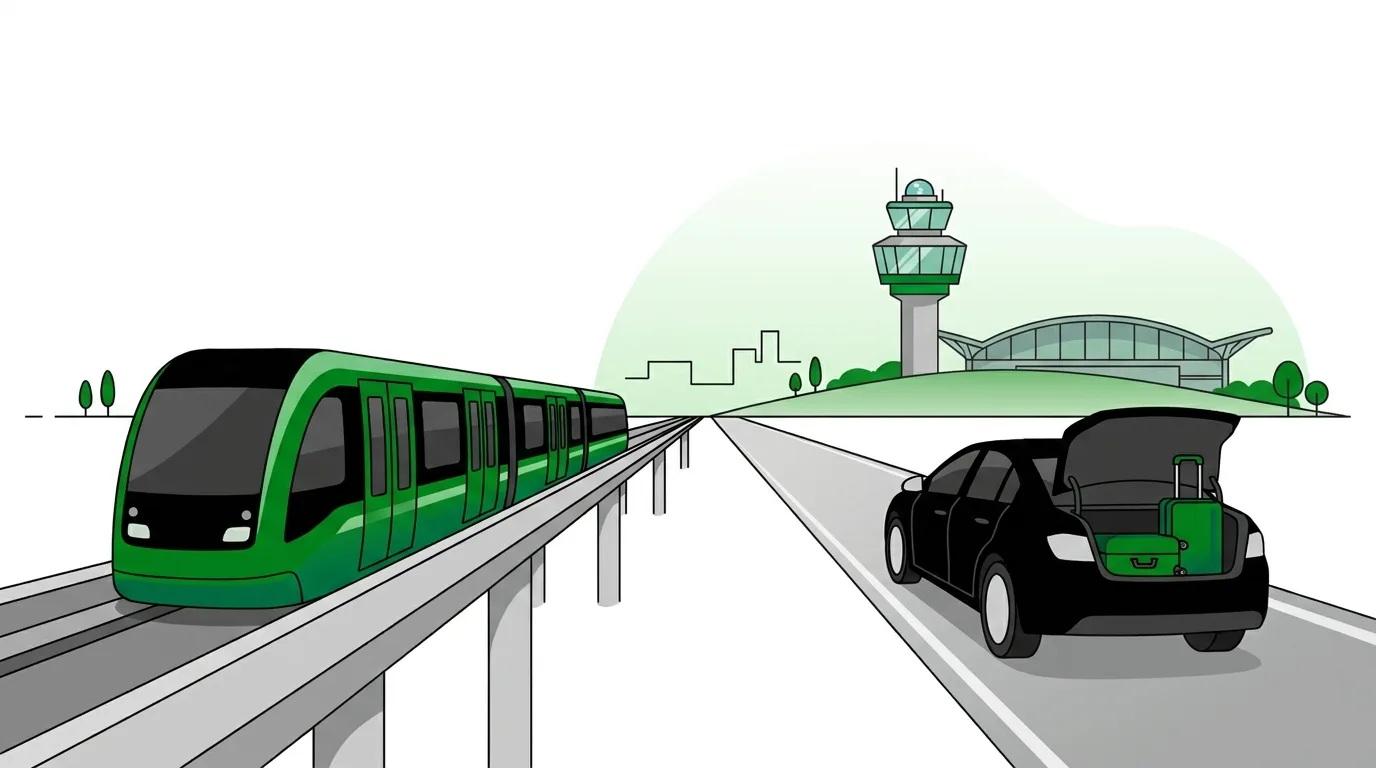
Many campuses and employment zones from Mississauga to Scarborough sit far from rapid subway lines. Even when a regional train or subway gets you close, the final stretch between the station and your classroom or workplace often involves a slow feeder bus and a long walk along wide arterial roads.
National commuting records highlight this gap between transit riders and car travellers. According to Statistics Canada commuting data, public transit commuters spend an average of 42.2 minutes travelling to work compared with 24.5 minutes for those travelling by car, and nearly 1.5 million workers across the country face a long commute of an hour or more.
That time gap widens outside standard nine-to-five office hours. Evening laboratory classes, group project sessions, and weekend restaurant or warehouse shifts finish just as suburban transit agencies reduce their frequency to thirty-minute or hourly intervals.
The last-mile problem becomes especially stressful during evening lectures and late-night work shifts:
- Drop in evening frequency: Suburban bus routes often scale back service late at night, turning a quick daytime transfer into a long, dark wait.
- Poorly lit industrial corridors: Many part-time student jobs in logistics, food service, and retail sit in commercial plazas where sidewalks end abruptly.
- Safety concerns after dark: Walking alone from a distant drop-off point late at night leaves students feeling vulnerable and uneasy.
- Multi-transfer fatigue: Moving from a local bus to a subway and then to another bus multiplies the chance of getting stranded along the way.
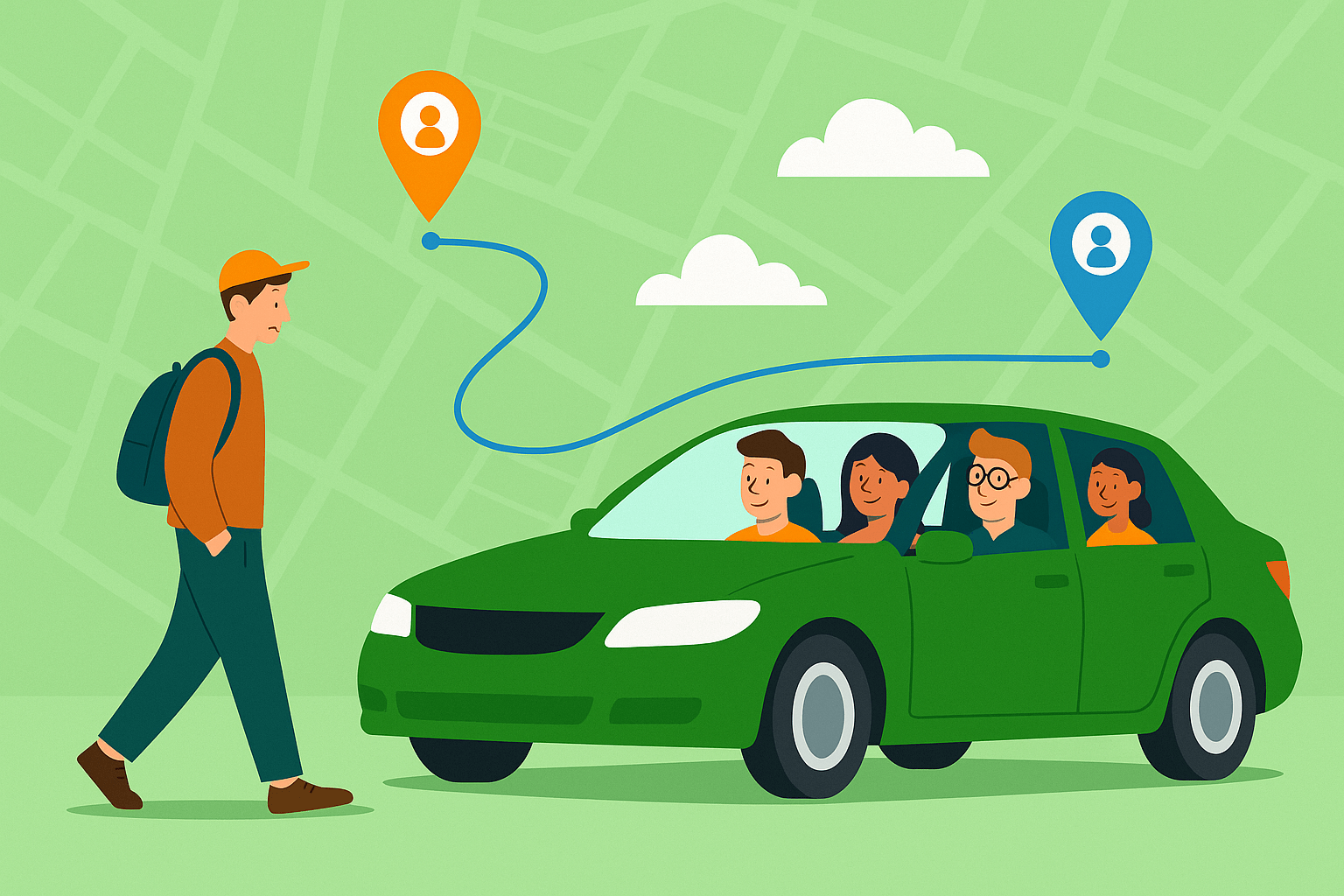
Peer-to-peer carpooling closes this last-mile gap because your driver is a fellow student or commuter already driving from your neighbourhood to the same campus district or workplace corridor. You skip the intermediate transfers and travel straight from a convenient local pickup point to your destination.
How Shared Rides Build Belonging and Campus Micro-Communities
Moving to Ontario for college or university is a major life transition, and the daily routine can quickly feel isolating. Many international and commuter students spend hours each week staring at their phones with earphones in, surrounded by strangers yet feeling completely on their own.
Because commuter students do not live in on-campus residences, they miss out on the casual hallway conversations where friendships naturally form. When your schedule only allows you to arrive right before lecture and rush out immediately after to catch a bus to work, campus can feel like a transit hub rather than a home.
Sitting in a warm car for thirty minutes with three other students from your area naturally opens up conversation. Without the noise and crowding of a rush-hour train, you have space to ask questions, compare notes on classes, and get to know people who share your daily rhythm.
Sharing a regular carpool turns empty travel time into a supportive micro-community:
- Practical local advice: Senior students can share tips on finding reliable winter boots, navigating course registration, or spotting fair rental housing.
- Job and internship leads: Riding with peers from different programs opens up word-of-mouth referrals for campus jobs and local part-time roles.
- Cultural familiarity: Sharing music, stories, and languages from home helps ease homesickness during your first Canadian winter.
- Built-in accountability: Having a regular morning ride group gives everyone a friendly reason to stay on schedule for early classes.
Over a semester, the people in your carpool often become the friends you study with between classes or call when you need a hand moving apartments. That sense of belonging matters just as much as the money saved at the gas pump.
Why Community Carpooling Works Better Than Random Ride-Sharing
Joining an unmoderated message board or hopping into a car with a random stranger online rarely feels comfortable, especially when you are new to a city. Trust is the biggest barrier to sharing rides, and informal group chats offer very little accountability when plans change or safety questions come up.
Community-focused carpooling centres on shared identity and clear expectations rather than anonymous transactions. When you connect with drivers and passengers who belong to the same university network, workplace corridor, or local neighbourhood, you start from a foundation of mutual accountability. Exploring dedicated carpool communities and checking how the in-app experience organises rides helps commuters see how structured matching replaces guesswork.
What Sets Trusted Campus Carpools Apart
A well-structured community carpool gives students peace of mind in three important ways:
- Shared institutional context: Riding with fellow college or university commuters means everyone understands exam schedules, campus drop-off zones, and student budgets.
- Consistent route matching: Instead of hunting for a one-off driver every night, you match with commuters who travel the exact same corridor every week.
- Clear safety habits: Checking commuter profiles, agreeing on pickup times before departure, and sharing your trip details with a roommate keep every ride transparent.
Watch out: Avoid sending upfront e-transfers to anonymous posters in unverified social media groups before confirming their identity and route details.
Start Sharing Trusted Campus Rides Across the GTA
Turning a stressful solo transit trip into a steady shared commute only takes a little planning before the next week of classes starts. Mapping your routine ahead of time helps you find drivers and riders whose schedules genuinely fit yours.
Follow these practical steps to set up a reliable campus carpool:
- Map your core anchor times: Write down your fixed lecture start times, lab finishes, and recurring part-time shift hours across the week.
- Pick safe, easy pickup landmarks: Choose a well-lit coffee shop, library entrance, or major intersection that does not force the driver into heavy detour traffic.
- Agree on cost splitting early: Confirm how you will divide fuel and campus parking fees before the first Monday morning pickup so expectations stay clear.
- Set a weather communication rule: Decide how early you will message each other on snowy mornings if campus closes or a class moves online.
Good carpool etiquette keeps a ride group running smoothly all term. Being ready at the pickup point five minutes early, letting your driver know right away if you catch a cold, and keeping bulky bags tidy on the floor show respect for everyone sharing the car.
When you are ready to connect with fellow students and commuters along your corridor, visit the FellaRide download page to get started on your phone. Replacing cold bus transfers and expensive solo taxis with a trusted community carpool saves your wallet and energy, and often the best part of getting to campus is the group of people riding alongside you.